I’ll be honest — I was not a historical romance fan until very recently. Part of the reason for that is likely some leftover teenage snobbishness; bodice rippers were decidedly not what my teen self wanted to read. I was into classics, lit fic, you know, the ✨real ✨ literature.
As I’ve grown older, I learned to do better, and as you can see, I love romance, fantasy, and all sorts of genres. But some sort of revulsion, an immediate no for histrom stayed with me.
There’s also the fact that I watched Bridgerton and disliked how careless these couples were; their whole lives could be ruined, yet they still sneaked around. It gave me anxiety and I don’t want to feel that when I’m reading romance. And I just (wrongly) assumed all historical romances are like that; coupled with the idea that all male leads are domineering rakes.
My first historical romance was When a Scot Ties a Knot by Tessa Dare. It came as a recommendation from the CariCanRead YouTube channel, and it changed my perspective on what historical romance can be. It’s funny, heartfelt, the heroine owns her own property (sort of), there’s no “ton” to observe everything like Big Brother, and while it wasn’t perfect, I loved it.
Even so, I didn’t read my next historical romance until recently, and that was a happy accident. I was in a big reading slump, and none of my usual go-to’s (rom-coms, romantasy) were quite scratching the itch, so I decided to go into a genre I never read: horror. But somehow I stumbled into KJ Charles, and then I remembered that their book is in Ali Hazelwood’s Historical Trailblazers collection, and from there, I found Lord of Scoundrels by Loretta Chase.
And so, my love affair with historical romance started; I found these books genuinely well-written (some even exquisitely), fun, with the type of high stakes that are usually missing from contemporary, and a focus on the main couple that is generally a problem in romantasy. A perfect blend!
But as I was learning more — the tropes, what each author does best — and gazing lovingly at those fabulous clinch covers and setbacks, I realized that most books I found recommended were older (pre-2020 at least), and that some of the authors (Tessa Dare, Sarah MacLean) are no longer writing in this genre.
And it was sort of devastating to realize that I’m falling in love with a dying genre. Saying this as a newbie is probably hypocritical, but it felt like I found this wonderful new thing, and then it was taken away from me.
So, I wanted to know more, learn more, and see if there’s a way to introduce historical romance to new readers and perhaps force publishing to give it another chance. But before I do that, let me tell you about the plight of this genre, and why it matters so much.
What is Historical Romance?
Historical romance is, essentially, a genre of books (and other media), focused on romance and relationships set in historical periods, usually before the mid-20th century, but expanding slowly to include some more recent periods like the 60s or 70s.
The historical settings are detailed and key to the stories themselves — they affect how the characters interact and create unique obstacles often not seen in modern day. There’s sometimes the element of adventure, but it’s not a must, while the happily ever after most definitely is.
The best historical romance authors take their research seriously as well, often including real life events or people into the narratives, and injecting real history into the books. Rather than just consuming a romance story, you also get to learn about women’s history (which is often misrepresented or entirely excluded from textbooks).
You get to learn about everyday lives of women throughout history, what mattered to them, what they dreamed of. Look a bit below the surface of regency ladies, and you’ll find plenty of scientists, writers, artists, academics, astronomers, but also seamstresses, farm girls, suffragettes, regular workers, all sorts of women from all walks of life, daring to dream, helping other women, living their best lives within the constraints they were born into (or breaking them entirely), and yes, falling in love.
When a Scot Ties a Knot, for example, tells you about a woman illustrating and observing insects and nature, becoming a published biologist. The Governess Game’s heroine is an astronomer. Black Silk’s heroine is an academic. Lord of Scoundrels’ Jessica Trent is a woman you don’t want to mess with. The Lotus Palace shows you how a courtesan’s maid manages to solve a crime. Indigo by Beverly Jenkins is about a Black woman who’s a member of the Underground Railroad. All of Us Murderers gives you a gay man who writes children’s books. And all of them get a happy ever after.
I hope you see what I mean by this. And this is just from a small pool of historicals I’ve read.
And because I hate the idea that reading is not worth it if it’s not instructive, I’ll tell you one more thing — historical romances are a blast. It’s such a varied and diverse genre that you can definitely find one for you.
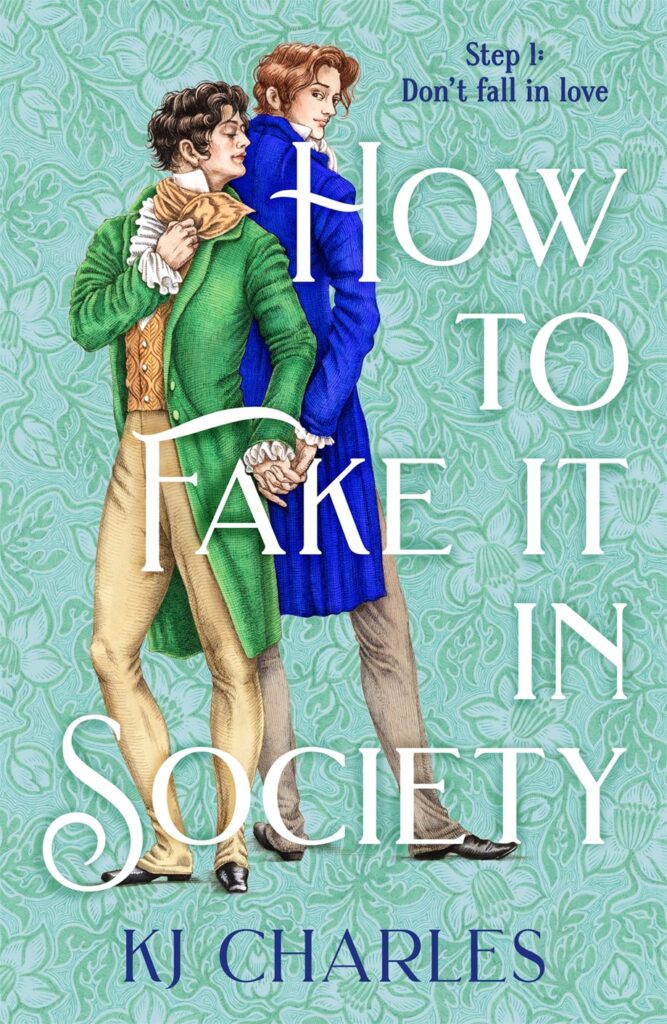
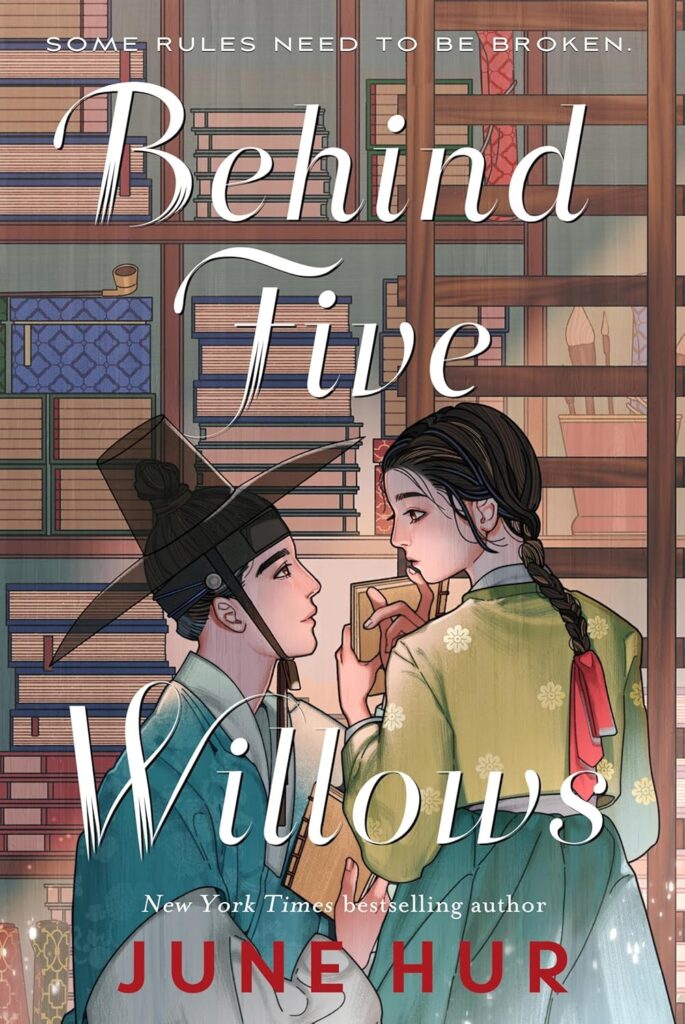
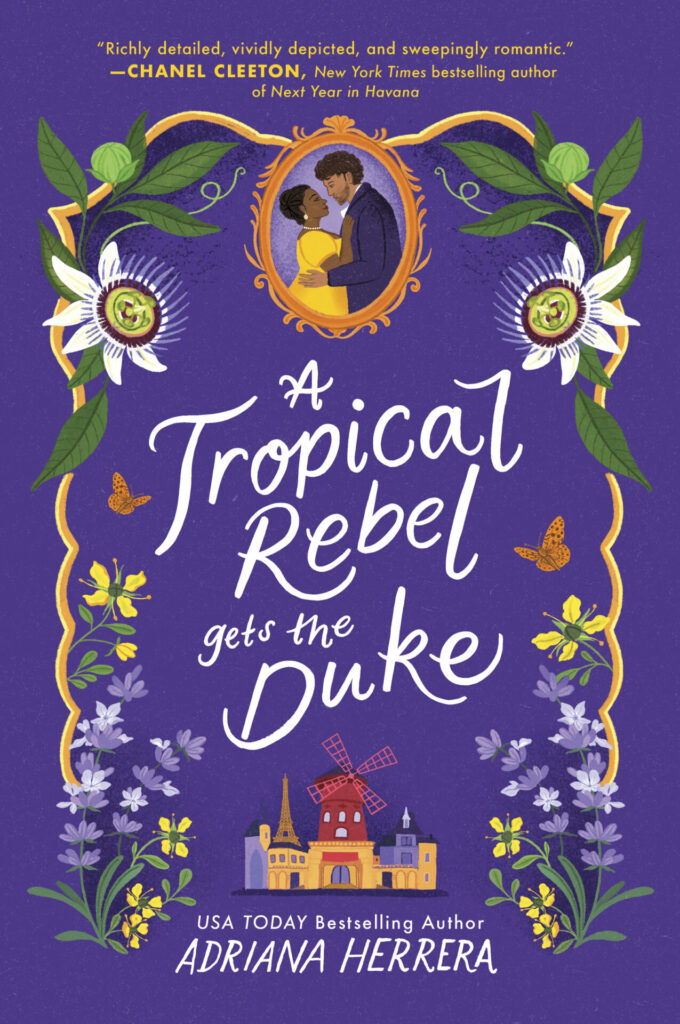
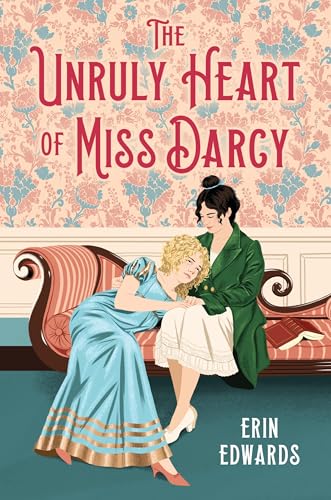
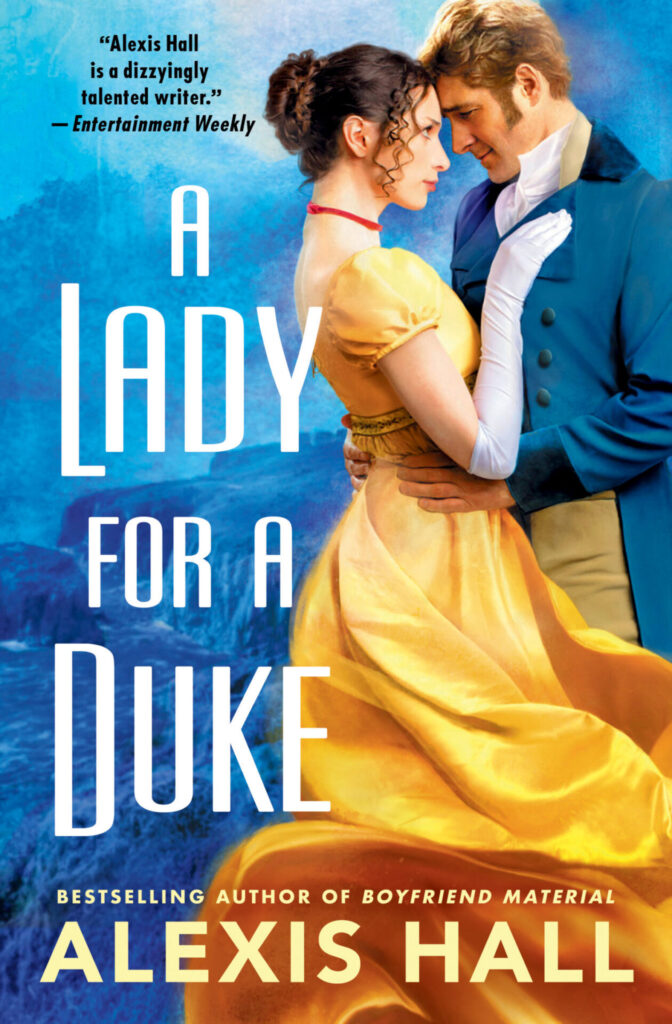
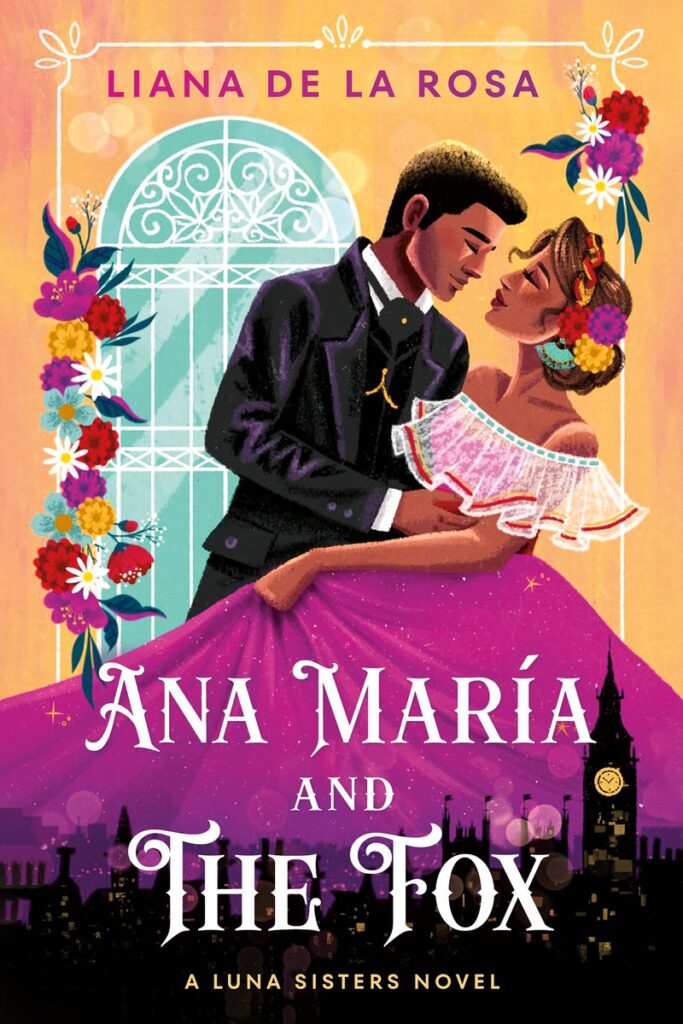
It’s also become way more diverse in recent years; far from its predominantly white cis-het origins, historicals now are full of stories about transgender, queer, neurodivergent people, people of color, and more. You can find books to suit your taste and the kind of representation you want easily.
So, it’s not just ladies in ballgowns either — though there’s plenty of that if you want it.
What’s Happening to Historical Romance?
Over the last few years, readers have started to notice that there are fewer historicals coming out. Many authors who are considered royalty of the genre are also switching to other, more popular genres like romantasy, contemporary romance or romantic suspense, whether because they wanted to or because their publishers nudged them that way.
More often than not, when you spot a historical novel on the shelves these days, it’ll have some sort of paranormal or fantasy aspect (like India Holton’s books, for example, though I love those).
It seems like, while romance as a genre boomed since the 2020s and breathed new life into publishing, historical romance has lagged behind.
And then there’s the fact that Harlequin, the biggest publisher of historical romance has scaled back its output in recent years, releasing fewer books, and they announced that they’ll discontinue its Historical Romance line in fall 2027 after nearly 40 years.
Why Is Historical Romance Dying?
Dying is perhaps too harsh a word, but let’s say slowing down, lagging, getting left behind. And there are several good reasons for this, most of which can be summarized as failure to keep up with the readership, misconceptions, and publishing doing what publishing does.
But let’s break it down, shall we?
Goodbye, Mass Market Paperbacks
The first big thing to note is the death of mass market paperback. You know those books you could buy on the newsstand, at every grocery store or gas station. They were inexpensive, easily accessible, and basically everywhere. You didn’t have to go to a bookstore to get them, you could just pick them up while on a grocery run.
Unfortunately, the world has shifted away from this format. Readerlink decided to stop distributing mass market paperbacks at the end of 2025, and this, I fear, is not entirely the publishing world’s fault. Instead, it’s the other villain of the book world: the social media.
You see, mass market paperbacks do not photograph well, or at least not as well as hardbacks and trade paperbacks. They’re small, cheaply made, and have distinctively corny covers (more on that later). And on social media, the visuals can make or break a book.
(Just as a personal aside, I love mass market paperbacks; it’s such a delicious format, I wish all my favorite books came in it, paired with painted, clinch covers, please!)
But historicals, more than any other genre, relied on the steady, accessible presence of mass markets.
So you can see how this played out: contemporary and romantasy, with their trade paperback or hardback formats look great in photos, and so the readership who lives on social media and who gave new life to publishing via hype and promotion skipped over the historicals in favor of these “prettier” formats.
A Court of Romantasy and Contemporary Romance
You may have made this connection already, but romantasy kind of replaced historicals in the grand scheme of things. While histrom used to be the genre everyone and their mom read, the kind of relaxing, swoony fiction you can sink into, now that genre is romantasy.
And it does, to be fair, hit a lot of the same spots. Usually you have an aristocracy of some sort, swoony, brooding, rich men, ballgowns, lush worlds, high stakes and big obstacles. But instead of ladies trapped in crinolines and corsets, you have scrappy, sword-wielding heroines which appeals to the white, cis-het version of feminism just fine.
Romantasy also doesn’t have to be historically accurate. It can invent its own worlds and make its own rules, which is admittedly easier (?) for authors, and also easier to deal with for readers. You don’t have to think about what crimes against humanity your favorite duke might be committing in the background to keep up that lovely castle. You don’t have to think about the class system and how actually poor you are compared to these rich aristocrats.
In romantasy, the heroines are usually poor or have lived a portion of their lives in starvation (whether they’re princesses or not) and the heroes might look evil, but they’re secretly building orphanages and refuges.
You can see how that’s easier to relate to in the current economy and with the current sensibilities. It’s easier to fall for a fae prince who secretly feeds and helps the poor, than a duke nepo-baby who’s always been rich and whose income is questionably sourced. It’s easier to root for a heroine who overcomes adversity in a very literal sense (learning to ride dragons, slaying enemies), than a rich little lady who has to be way more subtle when going about making her dreams come true.
And of course, the contemporary romance trend is self-explanatory. Set in modern times, with the kind of obstacles and stakes we can all relate to, but contemporary has always existed in parallel to historicals — it has just adapted better.
The Social Media Of It All
I mentioned social media already, in relation to the disappearance of mass market paperbacks, but it’s worth discussing it further in this case.
There’s a lot to say about BookTok and Bookstagram and its impact on publishing; it’s a separate conversation entirely, and a nuanced one at that. To clear things up immediately, I don’t believe that social media is the anti-intellectual plague upon the book world all those news publications are making it out to be. I actually quite like how it made reading cool again, and how we get to read more books (of all sorts) because of it. It’s not without its faults, but it’s certainly not all that bad.
However, one thing is most definitely true — books live and die by the mercy of algorithms these days.
What ends up popular is usually visually striking, immediate, with catchy, intense quotes and easily categorised (enemies to lovers, fake dating, only one bed). It’s what works in the short format and for short attention spans, and I’m not entirely against the trope-based marketing either because it helps people quickly identify what they want and how they want it.
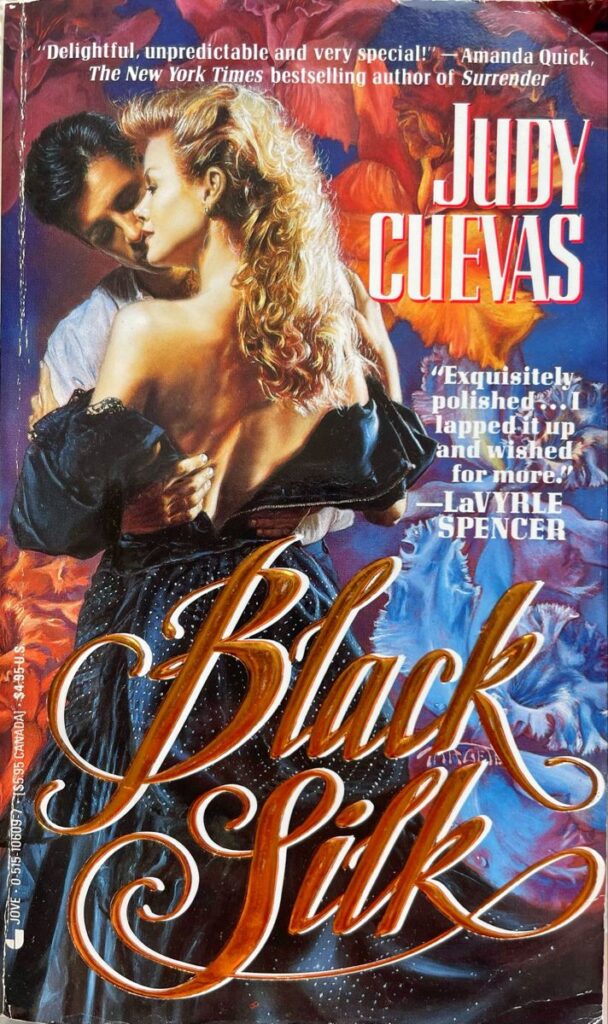
But the thing is, historical romances usually do not fit that standard. Their covers have moved away from beautiful, painted clinch designs or setbacks to corny stock photos of ladies in gowns, which isn’t all that photogenic (compared to stunning designs romantasy gets or colorful cartoon covers contemporary gets). So most reviewers, and readers, will skip them in favor of something prettier.
Books are seen as objects these days (maybe they always have been), a decorative item almost, something to look at on your shelf, something to photograph. So it’s no wonder no one wants a histrom on their feed.
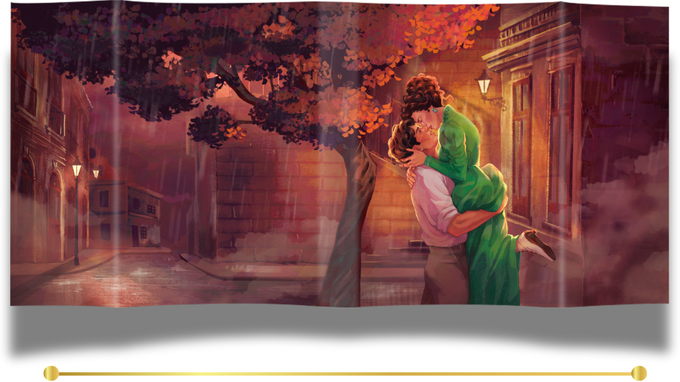
And this is where I come in with my clinch cover agenda because please, publishing world, bring them back! If these were back, I think historicals wouldn’t be in such dire straits because look at these beauties! I want to collect them all and have rows and rows of these on my shelves! Look at these:
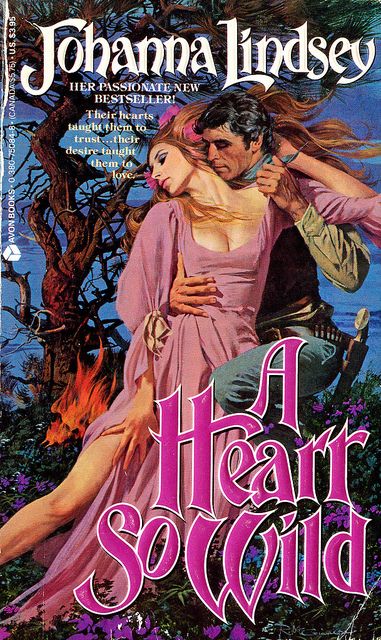
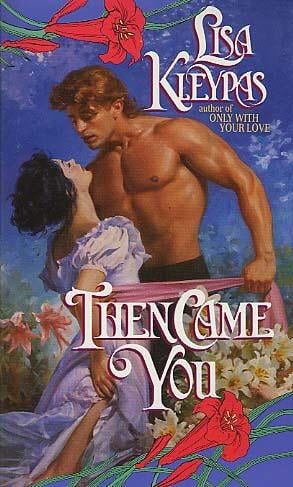
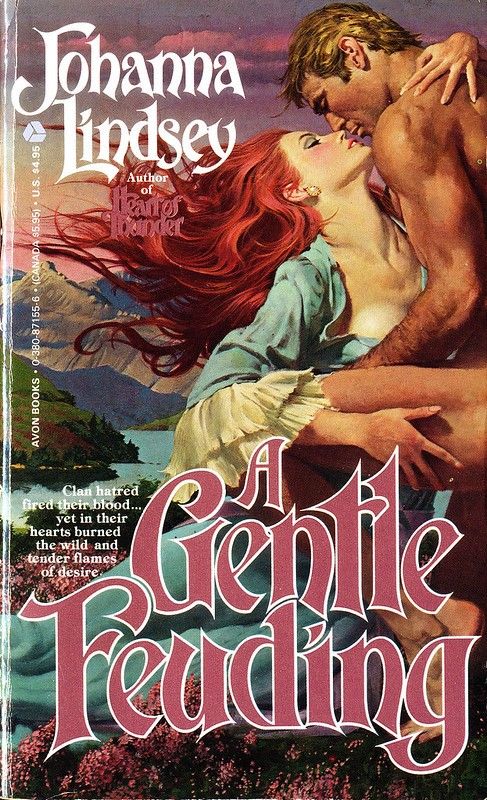
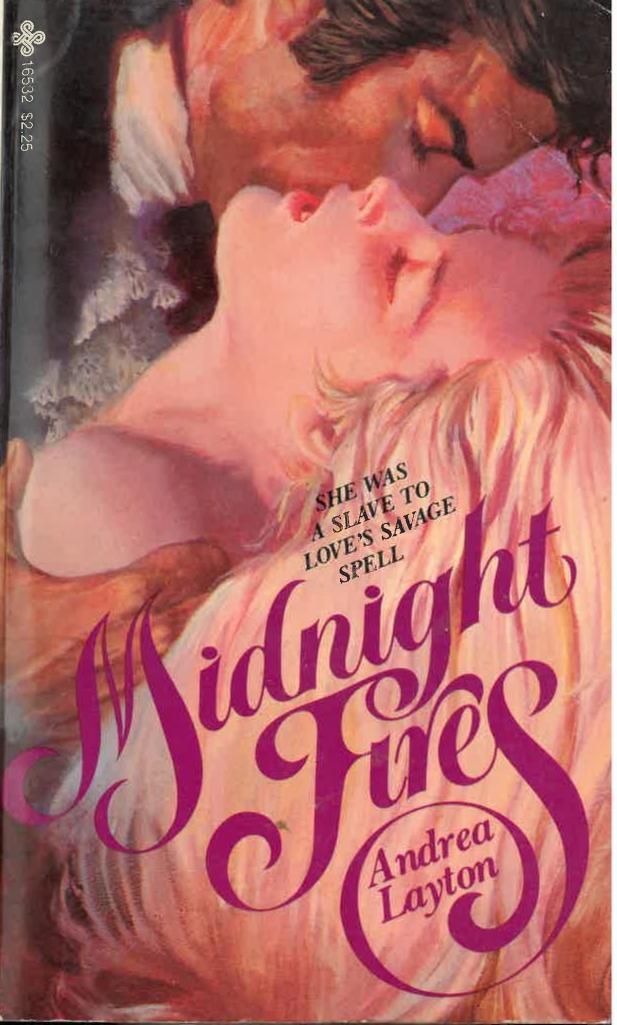
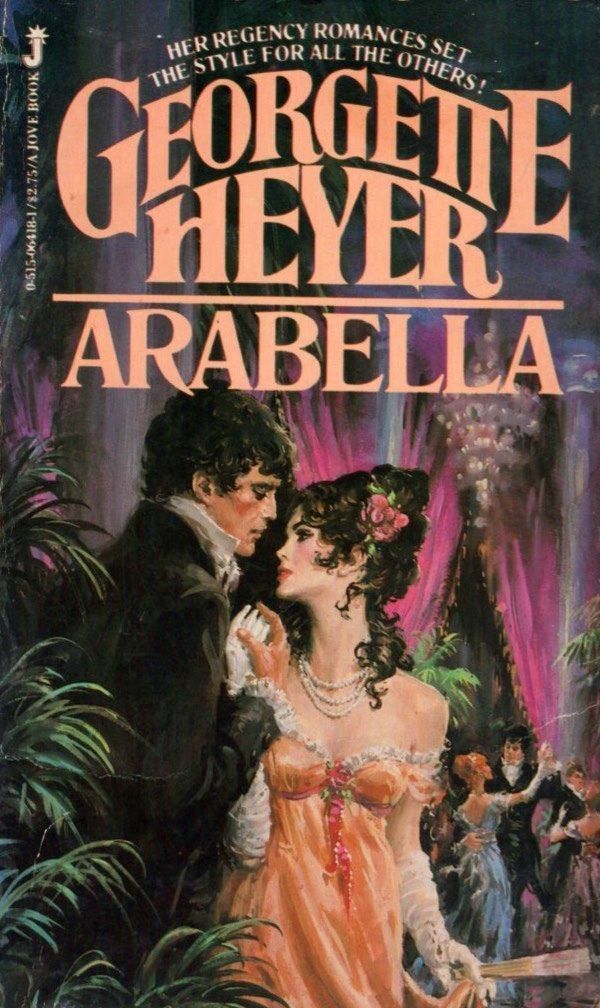
But aside from that, while historicals have their tropes and can be easily categorized, they’re not quite as catchy as romantasy or contemporary. Their titles skew corny and horny (I say this with love), and their quotes are not immediately quotable, if that makes sense.
Like you can easily pull ten different quotes and dramatic love confessions from romantasy books. They’re practically written around these quotes. But historicals are a lot more subtle.
For example, the most erotic, sensual scene in Black Silk lasts about two pages — try to put that on a collage the size of an average instagram post! Graham Wessit (the man, the legend!) rarely says anything quotable about our heroine, but we watch him fall in love with her so deeply over the course of the book that it’s one of the most enchanting experiences ever. He thinks and says things about her, about her imbricate smile, about the ribbons in her hat, the golden down on her jawline, he obsesses over these things, but never all at once and in a way I could easily present to you.
(as an aside, please read Black Silk)
So obviously, these books are hard to promote in this way. The older books of these are not so easily categorized in tropes either because they weren’t built around them.
Take Black Silk as an example again; I can’t think of any tropes I could give you. They’re not enemies to lovers, but they’re not friends to lovers either. There’s no one bed, no fake dating or who did this to you or anything of the sort. They’re just two deeply flawed people falling in love. And it’s magical, but how do you say that in 10 seconds? You can’t — and that’s the problem.
Not to say, of course, that historical romance authors should start working around tropes, because please don’t! I’m just pointing out how different they truly are.
You can go on reddit, of course, to the wonderful Historical Romance community and look for recommendations there. And you’ll notice that people asking for recommendations there don’t have the same vernacular as people asking for recommendations on social media do. It takes a lot longer to describe what you want because these books do not submit to tropes in the same way (in my experience).
So Why Does All of This Matter? Why Should You Care?
I know, I know. If you’re not a historical romance reader, this doesn’t have any impact on you. So, it doesn’t matter, you don’t need to care.
But the thing is, please do!
First of all, historical romance is such a varied and beautiful genre that it would be a shame to lose it. And we are losing it. Do you know how many histroms are out of print and not even available in ebook format? Too many! You can only find them in used bookstores, and some are not available even that way. When they are, they tend to go for hundreds of dollars!
Take Judy Cuevas/Judith Ivory as an example; most of her catalogue is not available on Kindle. I really very badly want to read de Saint Vallier Brothers duology (Bliss and Dance), but you can’t find it anywhere and there are no ebooks. What a travesty!
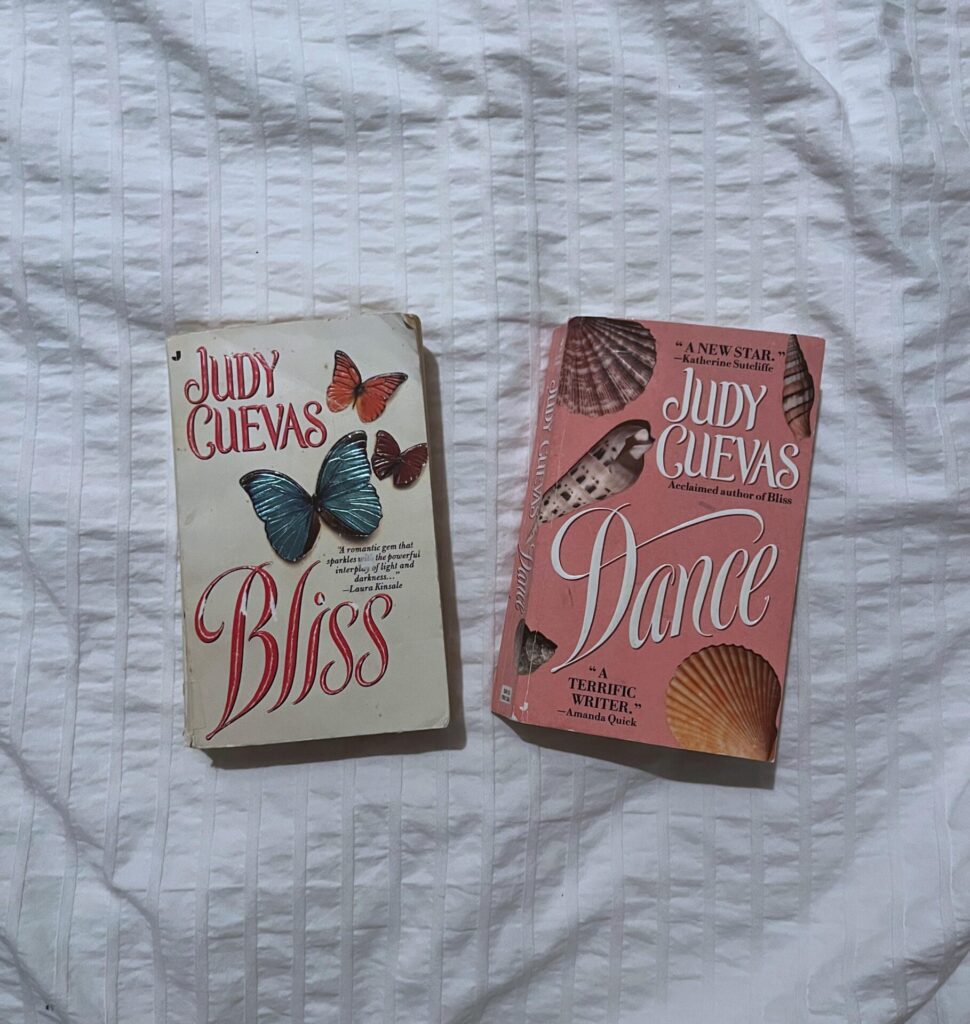
Penguin Random House owns the rights and if they released it now, I would buy all possible versions of these! And while we’re at it, can we get Black Silk in a pretty clinch cover again please? Pretty please with a cherry on top!
(I apologize for my outbursts but I find myself strangely passionate about this genre and about Judy Cuevas/Judith Ivory in particular.)
So no, it’s not like this genre is just slowing down, but we’re actively losing some of the older historicals to, well, history.
There’re so many great stories to be found in this genre that I can’t even begin to paint the full picture or the scope of it.
If you’re a fan of contemporary romance, but are getting bored with the lack of real obstacles for the couple, try historicals. Tessa Dare in particular is a good entry point in my opinion because her books have this rom com flair that just works, and they’re largely unproblematic and appeal to modern sensibilities.
If you love romantasy, but don’t want half-baked fantasy worlds and instead would like more swoony romance but with some real obstacles as well, try historicals! You can basically read any, but perhaps Lynn Kurland would work best because there are some fantasy/sci-fi elements to her books.
If you want lush worlds and lush, gorgeous writing, my queen Judith Ivory is here for you. If you want strong, no-nonsense heroines, try Loretta Chase or Beverly Jenkins. Love cowboy romance? How about some Lorraine Heath! Johanna Lindsey has pirates! Jeannie Lin is your girl if you love Apothecary Diaries or mysteries in general! Have you fallen in love with Heated Rivalry and the M/M romance trend? Try some KJ Charles, Cat Sebastian, or Alexis Hall! Courtney Milan has written one of the most beloved sapphic stories ever!
As you can see, there is something for everyone here. So please give historicals a chance — you won’t be disappointed. A bonus point — you can find a lot of historical romances for under $10 (more often under $5, for just a dollar or two) as either ebooks or physical copies in used bookstores. They’re either on KU or frequently discounted. So they definitely won’t break your budget like a lot of other books do (compared to new romantasy releases, which even in ebook form cost upwards of $15, not to even discuss hardback copies).
And big props to Ali Hazelwood and Adriana Herrera who created the Historical Trailblazers collection and whose efforts to promote these books have brought me to Lord of Scoundrels. Ladies, you’re doing amazing work!
For my part, I plan on reading a lot more; my journey with historicals is just beginning. For the first time in what feels like forever, I have this hunger for more books, more stories. My TBR keeps growing, my Kindle library is expanding, and I am incredibly happy about it.
